
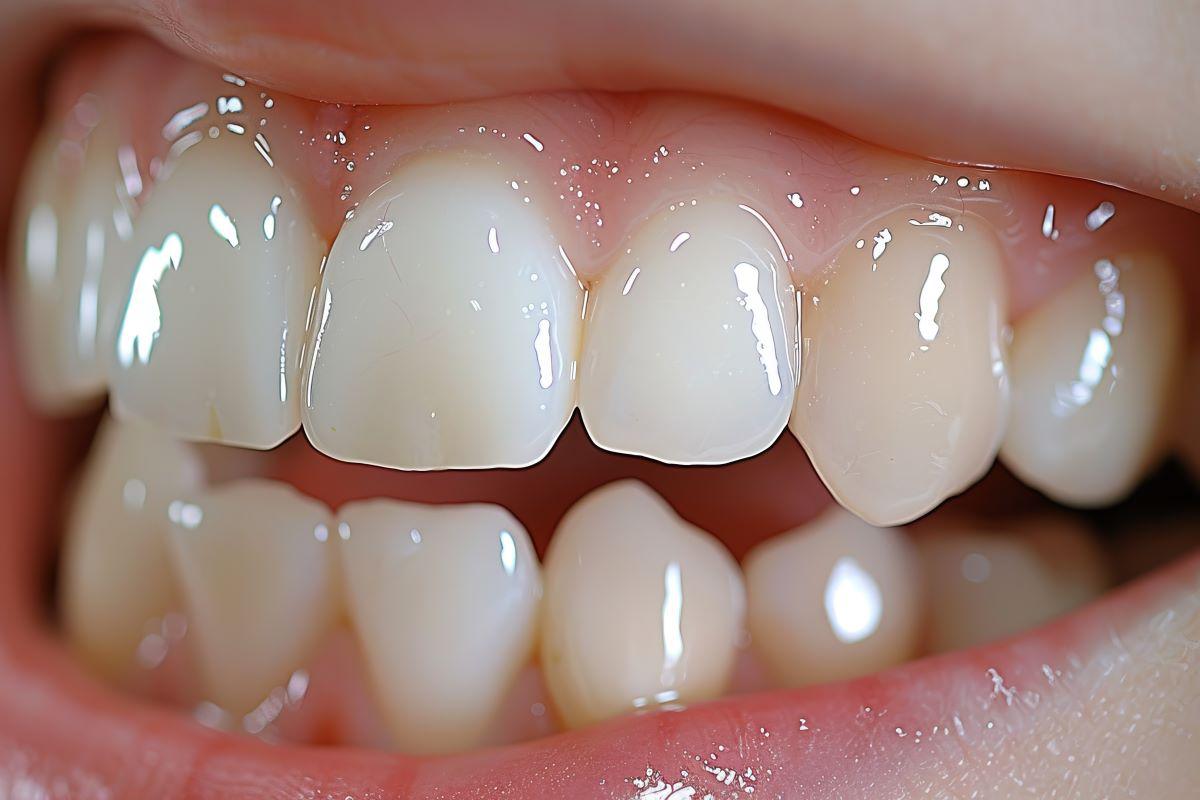
Watching your child's teeth grow and change is an exciting part of development, but many parents wonder what to expect and when. Understanding how teeth develop from infancy through the teenage years can help you support healthy oral habits and recognize when it's time to schedule a dental evaluation.
From the appearance of baby teeth to the arrival of permanent teeth, tooth development follows a fairly predictable timeline. Knowing the milestones associated with children's teeth can help parents feel confident about their child's growing smile.
Understanding Tooth Development
Teeth actually begin developing before a baby is born. Although you won't see them right away, the foundations of both primary teeth and adult teeth form beneath the gums during pregnancy. Baby teeth, also called milk teeth or deciduous teeth, serve an important purpose. They help children chew properly, support speech development, maintain space for permanent teeth, and contribute to healthy jaw growth. Understanding how teeth develop allows parents to monitor changes and encourage lifelong oral health habits.
Birth to Age 3: The Arrival of Baby Teeth
Most babies begin getting their first teeth around six months of age, although some may erupt earlier or later.
Typical Baby Teeth Timeline:
-
Around 6–10 months: Lower central incisors appear.
-
Around 8–12 months: Upper central incisors erupt.
-
Around 9–13 months: Upper lateral incisors emerge.
-
Around 10–16 months: Lower lateral incisors come in.
-
Around 13–19 months: First molars erupt.
-
Around 16–23 months: Canines appear.
-
Around 23–33 months: Second molars emerge.
By approximately age three, most children have a full set of 20 primary teeth. Even though these teeth eventually fall out, caring for kids’ teeth early is essential. Cavities in baby teeth can affect comfort, nutrition, and the health of developing permanent teeth.
Ages 4 to 6: Maintaining Healthy Primary Teeth
During the preschool years, children's teeth continue to support eating, speaking, and smiling confidently. Parents should help children establish healthy brushing and flossing habits while scheduling routine dental visits. Preventive care during this stage can help identify concerns before they become more serious.
Building Healthy Oral Habits
Encourage children to:
-
Brush twice daily using fluoride toothpaste.
-
Floss once teeth begin touching.
-
Limit sugary snacks and beverages.
-
Visit the dentist regularly.
-
Wear mouthguards during sports activities.
These habits lay the groundwork for healthy adult teeth later in life.
Ages 6 to 12: The Transition to Permanent Teeth
Around age six, many children begin losing their baby teeth as permanent teeth start to emerge. This mixed dentition phase means children have both primary teeth and permanent teeth at the same time.
Typical Adult Teeth Eruption Timeline
-
Ages 6–7: First permanent molars and lower central incisors erupt.
-
Ages 7–8: Upper central incisors and lower lateral incisors emerge.
-
Ages 8–9: Upper lateral incisors appear.
-
Ages 9–12: Canines and premolars erupt.
-
Ages 10–12: Second premolars emerge.
-
Ages 11–13: Upper and lower canines complete eruption.
It's common for this stage to involve loose teeth, gaps, and changes in alignment. While every child develops differently, regular monitoring can ensure tooth development progresses appropriately.
Ages 13 to 17: The Teenage Years
By the early teen years, most adolescents have 28 permanent teeth. These adult teeth are designed to last a lifetime with proper care. Teenagers should continue practicing good oral hygiene habits, including brushing twice daily and flossing regularly.
Don't Forget About Wisdom Teeth
The final set of teeth, commonly known as wisdom teeth, typically begin developing during the teenage years and may erupt in the late teens or early twenties. Routine dental examinations and X-rays allow dentists to monitor their development and determine whether treatment may eventually be necessary.
Supporting a Lifetime of Healthy Smiles
Every stage of tooth development plays an important role in your child's oral health journey. From the first appearance of milk teeth to the transition into permanent teeth, understanding these milestones can help parents provide the support their children need for healthy, confident smiles.
If you have questions about your child's teeth, concerns about eruption patterns, or simply want to ensure their smile is developing as expected, contact our office to schedule a dental visit. Our team is here to guide your family through every stage of growth and help protect your child's oral health from toddlerhood through the teenage years.